
Reducing PCB assembly cost remains a primary objective for electronics manufacturers facing tight margins. However, aggressive cutting often introduces reliability risks, while pursuing speed without budget controls wastes resources. Sustainable competitiveness requires balancing expense reduction with operational efficiency. This guide details specific variables driving PCBA manufacturing expenses and outlines practical methods to optimize your workflow based on 2025 industry standards.
Key Factors Influencing PCB Assembly Cost
Understanding the root drivers of PCB assembly cost enables targeted optimization rather than blind cuts. Several technical variables directly impact the final unit price.
- Board Size and Material Usage: Larger boards consume more substrate and require extended testing. Minimizing dimensions reduces material waste and machine time.
- Layout Complexity: Fine pitch chips and high-density interconnects increase processing difficulty. Complex layouts demand advanced equipment and longer setup times.
- Component Availability: Electronic components typically account for over 50% of total costs. Scarce or end-of-life (EOL) parts carry premium pricing and schedule risks.
- Assembly Technology Mix: Pure Surface Mount Technology (SMT) leverages automation. Mixed technology requiring through-hole components necessitates manual intervention, increasing cycle time.
- Production Volume: Small-batch runs incur high per-unit setup charges. Volume production spreads fixed costs, lowering the average PCB assembly cost.
- Testing Scope: Comprehensive testing, expedited lead times, and conformal coating add distinct line items to the quote.
Business Value Highlight: For procurement managers, understanding these cost drivers facilitates accurate budget forecasting. Identifying whether costs stem from design complexity or component scarcity allows teams to negotiate effectively or request value engineering alternatives before mass production.
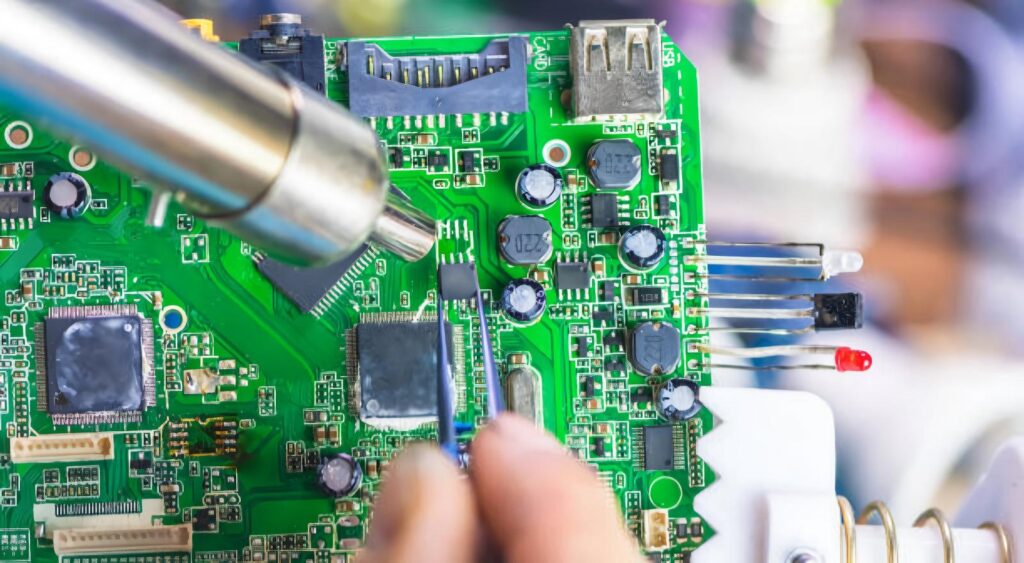
Optimize Design to Lower PCB Assembly Cost
The most significant savings occur during the design phase through Design for Manufacturability (DFM). Industry data indicates that poor layout decisions cause approximately 30-50% of all assembly problems. Addressing these issues proactively prevents expensive revisions.
Strategic Layout Decisions
Minimize board size to reduce substrate consumption. Avoid blind or buried vias unless necessary for signal integrity, as noted in IPC-2226 Flexible Design Standards. These features significantly increase fabrication complexity and PCBA manufacturing expenses. Reserve through-hole devices exclusively for applications requiring superior mechanical strength.
Effective Panelization Strategies
Reasonable panelization spreads machine setup and fixture expenses across multiple units. This approach optimizes material utilization, particularly for low-volume orders. Proper panel design also enhances SMT production efficiency by maximizing throughput per reflow cycle.
Automated Design Rule Checking
Integrated Design Rule Checking (DRC) tools detect layout errors before production begins. Early detection avoids costly board respins. Running DFM checks alongside electrical verification ensures the design is both functional and manufacturable. For detailed guidance on preparing files, refer to our PCB Manufacturing Process documentation.
Refine BOM Management to Cut PCB Assembly Cost
Effective Bill of Materials (BOM) management provides substantial leverage over PCB assembly cost. Since components dominate the expense structure, strategic sourcing is non-negotiable for electronic assembly optimization.
Standardization and Alternate Parts
Avoid irregularly supplied or custom components. Standardize on widely available parts to benefit from market liquidity. Create qualified alternate part libraries to mitigate single-source shortage risks. Having pre-approved substitutes accelerates procurement when primary supplies face disruption.
Volume Purchasing Alignment
Bulk purchasing of passive components unlocks volume discounts. Align technically with your assembly partner early in the project lifecycle. Early collaboration clarifies manufacturability bottlenecks and reduces storage overhead caused by misaligned delivery schedules.
Business Value Highlight: Implementing robust BOM management can reduce component spend by 10-15% while improving supply chain resilience. This directly protects profit margins against market volatility and prevents costly production stoppages due to part unavailability.
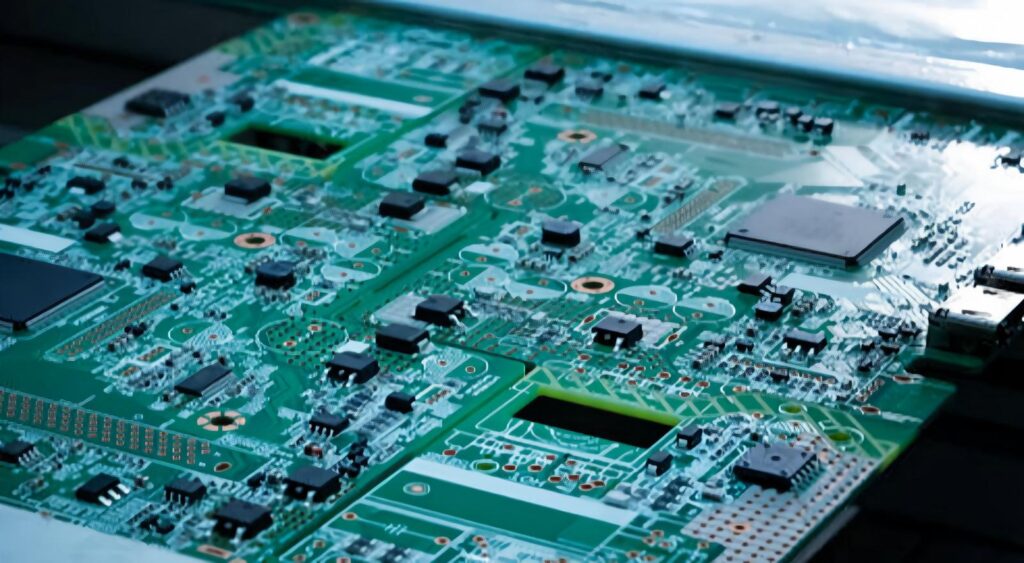
Enhance SMT Production Efficiency via Lean QC
Process refinement boosts SMT production efficiency while reducing hidden rework costs. Continuous improvement methodologies transform isolated fixes into systemic gains that lower overall PCB assembly cost.
Precision Process Tuning
Fine-tune solder paste stencil parameters and reflow profiles to minimize defects like cold joints. Optimized thermal profiles ensure consistent wetting, adhering to IPC-A-610 Acceptance Criteria. Batch similar orders together to reduce changeover time and equipment idle intervals.
Automated Inspection Integration
Deploy Solder Paste Inspection (SPI) and Automated Optical Inspection (AOI) to catch printing and placement issues immediately. These systems lift First Pass Yield (FPY) and eliminate expensive post-assembly rework. Unlike manual checks, automated systems provide consistent, quantifiable defect data essential for DFM analysis.
Closed-Loop Corrective Action
Continuously analyze defect data to identify root causes from design flaws or process drift. Implement corrective actions in a closed loop to achieve long-term stability. This proactive approach sustains lower expenses over time. Reliability must never be sacrificed for speed; breaches in validation ultimately cost more through field failures.
To explore how automated inspection integrates with broader quality systems, visit our PCBA Service Overview.
Partnering for Sustainable PCB Assembly Cost Reduction
Whether you need a partner to maintain quality while controlling PCB assembly cost, professional services offer scalable solutions. Experienced engineering teams conduct rigorous pre-production DFM reviews and complete automated inspection. This integrated approach helps customers reduce expenses and improve electronic assembly optimization without compromising performance.
Frequently Asked Questions (FAQ)
Q1: What percentage of assembly problems are caused by poor design decisions?
A: Industry analysis indicates that poor layout decisions made during development account for approximately 30-50% of all assembly-related problems. Implementing DFM analysis early mitigates this risk and lowers PCB assembly cost.
A: Industry analysis indicates that poor layout decisions made during development account for approximately 30-50% of all assembly-related problems. Implementing DFM analysis early mitigates this risk and lowers PCB assembly cost.
Q2: How does assembly technology choice affect PCB assembly cost?
A: Pure SMT designs utilize automated placement, reducing labor costs significantly. Mixed technology involving through-hole components requires manual processing, which increases cycle time and overall PCBA manufacturing expenses.
A: Pure SMT designs utilize automated placement, reducing labor costs significantly. Mixed technology involving through-hole components requires manual processing, which increases cycle time and overall PCBA manufacturing expenses.
Q3: Why is component selection critical for cost control?
A: Electronic components typically represent more than half of the final PCB assembly cost. Using standard parts avoids premiums associated with scarce components and reduces supply chain delay risks.
A: Electronic components typically represent more than half of the final PCB assembly cost. Using standard parts avoids premiums associated with scarce components and reduces supply chain delay risks.
Q4: How does panelization help reduce costs for low-volume orders?
A: Reasonable panelization spreads machine setup and testing expenses across multiple boards. This optimizes material usage and makes small-batch production economically viable by sharing fixed costs.
A: Reasonable panelization spreads machine setup and testing expenses across multiple boards. This optimizes material usage and makes small-batch production economically viable by sharing fixed costs.
Q5: What role do SPI and AOI play in cost reduction?
A: SPI and AOI catch defects early in the process. This improves First Pass Yield and eliminates expensive rework, providing a faster alternative to manual inspection and supporting continuous SMT production efficiency.
A: SPI and AOI catch defects early in the process. This improves First Pass Yield and eliminates expensive rework, providing a faster alternative to manual inspection and supporting continuous SMT production efficiency.
 日本語
日本語  English
  Русский
  Français
  Deutsch
  한국어
한국어  Español
  Português
  العربية
  Türkçe
  Italiano
  Polski
  Dansk
Dansk