
PCB Tombstoning: Causes, Prevention & SMT Assembly Solutions
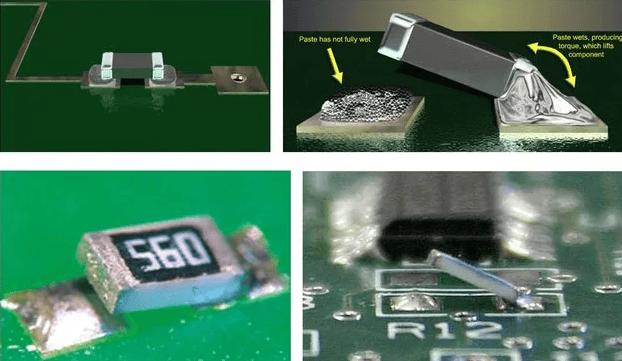
Precision defines success in electronics manufacturing. Even minor process imbalances can trigger significant defects during production. PCB tombstoning remains one of the most frequent issues in surface mount technology (SMT). This defect occurs when a component lifts on one end during solder reflow and stands vertically on the board. Engineers often call this the tombstone effect in PCB assembly. It typically affects small passive components like resistors and MLCC capacitors. Consequently, this issue directly impacts product reliability, yield rates, and overall production efficiency. Understanding the root causes and prevention methods is essential for achieving high-quality SMT PCBA services. What Is PCB Tombstoning? PCB tombstoning is a specific manufacturing defect occurring during reflow soldering. […]
PCB Manufacturing Process: A Comprehensive Guide to Understanding and Mastering the Techniques
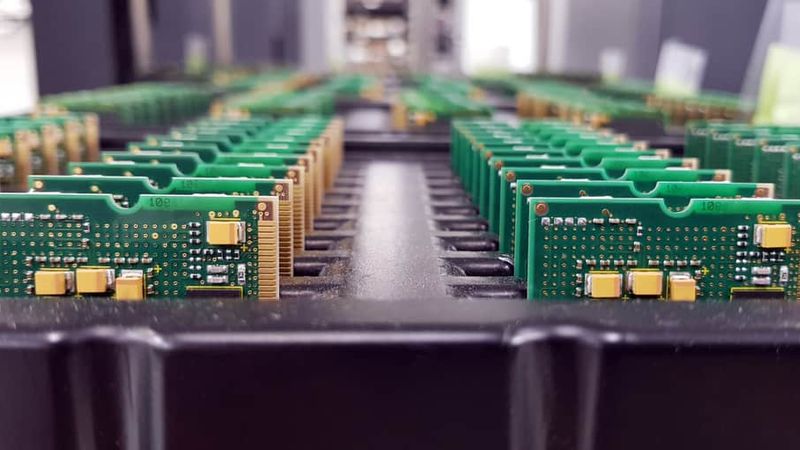
Printed Circuit Boards (PCBs) provide the foundation for the assembly of electronic components and enable the functionality of a wide range of devices. This article journeys through the requisite steps in the PCB manufacturing process, detailing the procedures involved in each. Assembly of Circuit Boards Introduction Printed circuit boards (PCBs) serve as electronic devices’ mechanical and electrical backbone, connecting components through conductive pathways and signal traces on copper sheets laminated onto a non-conductive substrate. From household appliances to high-tech machines, PCBs are indispensable for the proper functioning of various electronic devices. The PCB or circuit board manufacturing process is a sophisticated sequence of steps crucial to developing these essential components. […]
 日本語
日本語  English
  Русский
  Français
  Deutsch
  한국어
한국어  Español
  Português
  العربية
  Türkçe
  Italiano
  Polski
  Dansk
Dansk