
IC Local Ground Plane: EMC Routing Rules & Via Tips
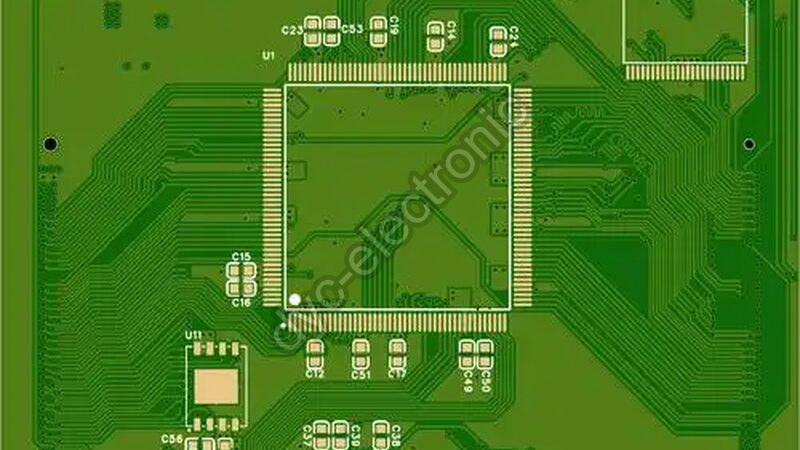
Preserving a solid IC local ground plane beneath high-speed processors is one of the most effective ways to suppress EMI at the source. A 0.5 mm pitch BGA sits on your top layer, and a critical clock trace needs to reach a connector on the opposite side. Do you route directly underneath the package body to save space, or do you maintain an unbroken copper zone? This decision defines whether your board passes EMC testing or becomes a radiating antenna. In our builds, we have seen boards fail CISPR 32 Class B limits specifically because designers routed sensitive signals beneath noisy chips. Actually, the fix was not adding more ferrite beads. It […]
PCB Process Edge Design: SMT Rail Clearance Guide
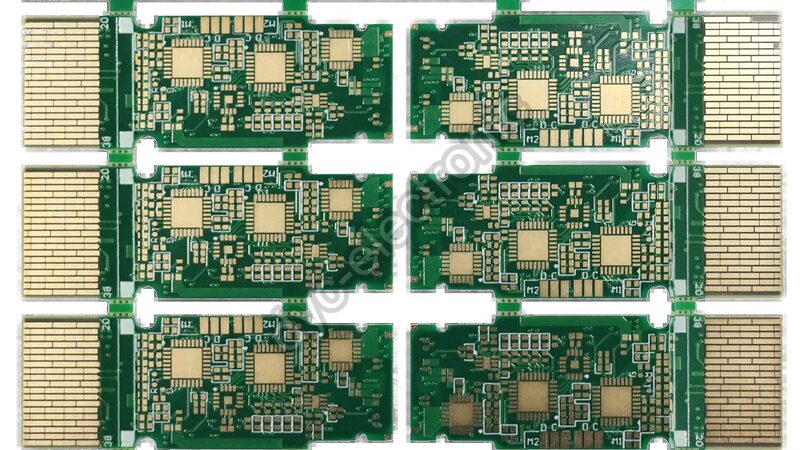
A 0402 capacitor sits 2 mm from the board edge. During SMT assembly, the conveyor rail clamps down and crushes it before reflow even starts. This happens more often than you’d think. In our builds, we see this failure when designers treat the PCB process edge design as an afterthought rather than a first-order constraint. The fix isn’t expensive, but catching it late costs real money in rework and delayed shipments. This guide walks through the exact margins, mark points, and separation methods that keep boards running smoothly on high-speed SMT lines. No theory dumps—just the parameters we verify during every DFM check. Why SMT Rail Clearance Defines Your PCB Process Edge […]
PCB Thermal Management: Vias and Copper Pours That Work
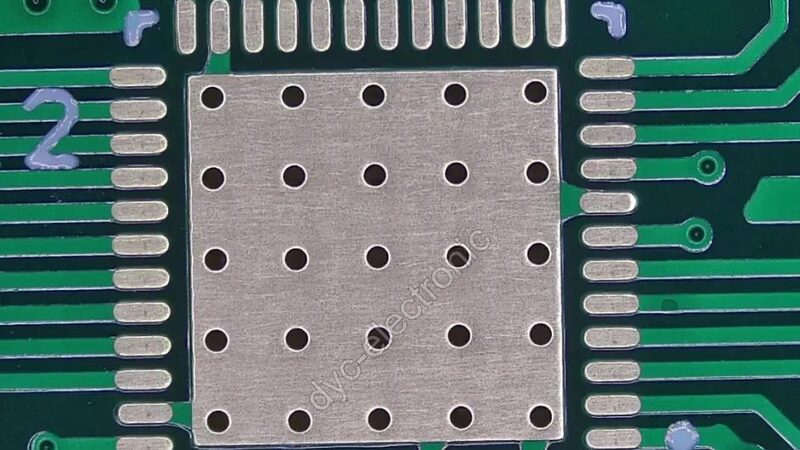
A MOSFET on a 5 W buck converter runs fine on the bench. Bolt it into a sealed enclosure, however, and the same part climbs past 110 °C within minutes. PCB thermal management is what separates a board that survives field use from one that cooks its own solder joints. Actually, heat is not a side effect you fix later. It is a layout decision you make on layer one. Why Your Board Overheats: The Heat Spreading Trap Heat in a PCB follows one unglamorous equation: ΔT = P × R_th. Power dissipated times thermal resistance equals the temperature rise above ambient. Specifically, a 1 oz copper plane on FR-4 […]
How to Reduce PCB Assembly Cost and Enhance Efficiency: A Technical Guide
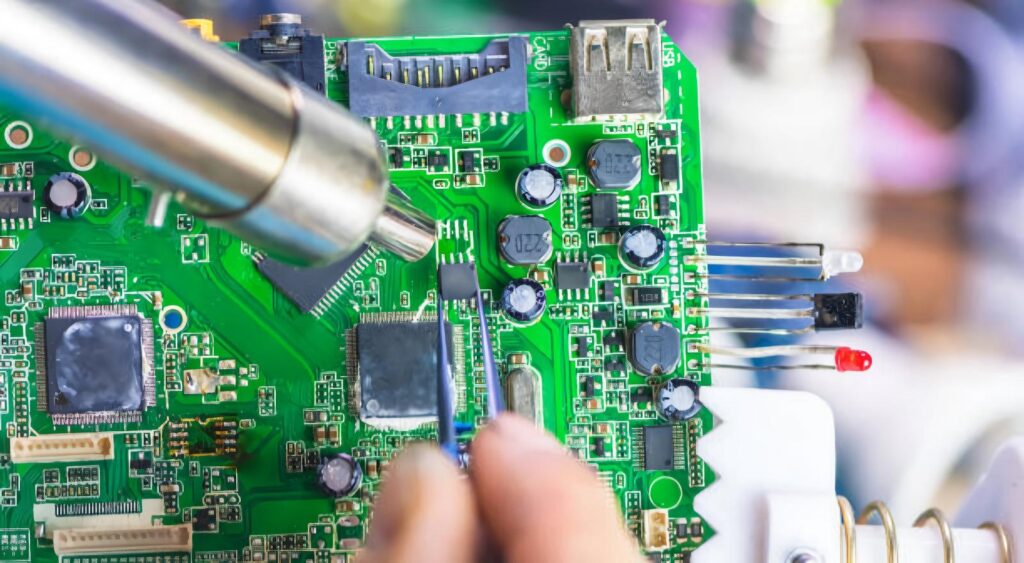
Reducing PCB assembly cost remains a primary objective for electronics manufacturers facing tight margins. However, aggressive cutting often introduces reliability risks, while pursuing speed without budget controls wastes resources. Sustainable competitiveness requires balancing expense reduction with operational efficiency. This guide details specific variables driving PCBA manufacturing expenses and outlines practical methods to optimize your workflow based on 2025 industry standards. Key Factors Influencing PCB Assembly Cost Understanding the root drivers of PCB assembly cost enables targeted optimization rather than blind cuts. Several technical variables directly impact the final unit price. Board Size and Material Usage: Larger boards consume more substrate and require extended testing. Minimizing dimensions reduces material waste and machine time. Layout Complexity: Fine pitch chips and […]
 日本語
日本語  English
  Русский
  Français
  Deutsch
  한국어
한국어  Español
  Português
  العربية
  Türkçe
  Italiano
  Polski
  Dansk
Dansk