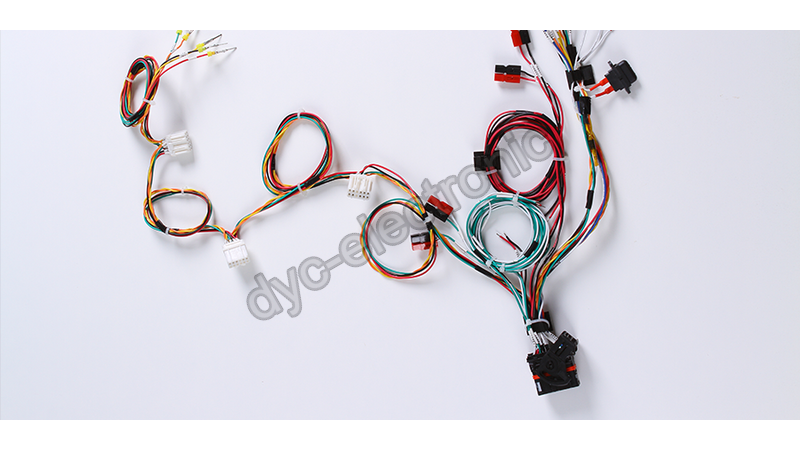
IPC-A-620 is the industry-consensus acceptance standard for cable and wire harness assemblies. WHMA calls it the only industry-consensus international standard for the performance and acceptance of cable and wire harness assemblies. Specifying “build to IPC-A-620 Class 2” on a drawing is common, but that line produces a consistent verdict only when both parties share an […]
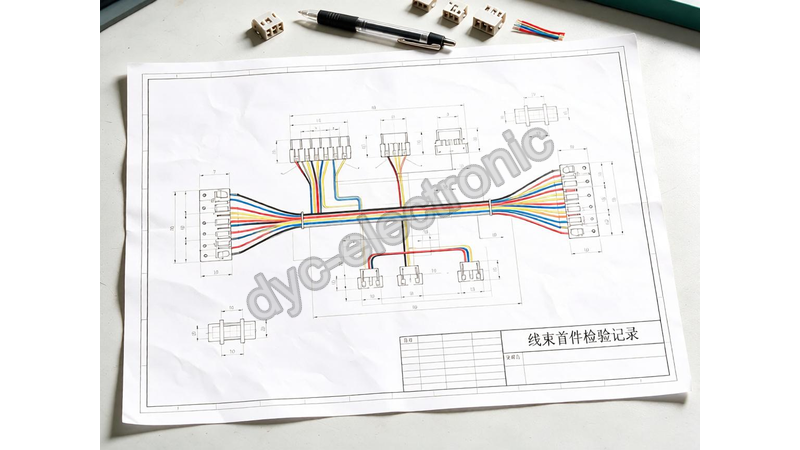
A first article is not one sample you build and show around. Wire harness first article inspection is the point where the drawing, the BOM, the terminal, the reel, the die set and the test program all land on one physical loom — and where someone signs that the evidence matches. Get that step wrong […]
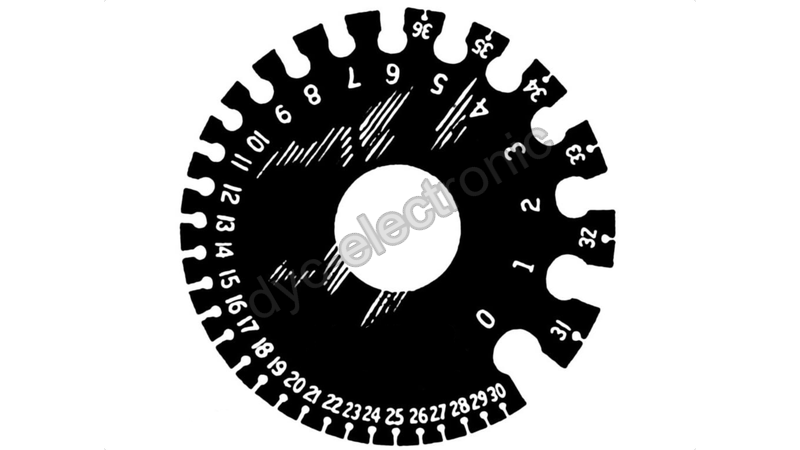
A style number is a construction recipe, not a grade. UL Solutions says it certifies Appliance Wiring Material (AWM) to ANSI/UL 758 in the U.S., and that buyers can choose from more than 7,000 AWM styles defined by material, voltage, temperature, environmental exposure and flame ratings. That scale explains why a drawing names UL wire […]
A soldered joint on stranded wire looks clean on the bench. Then the harness starts moving. Eight months of engine vibration later, the wire cracks right where the solder stopped wicking, and the circuit opens only when the assembly is hot. We’ve chased that one often enough to stop arguing about it (we still keep […]
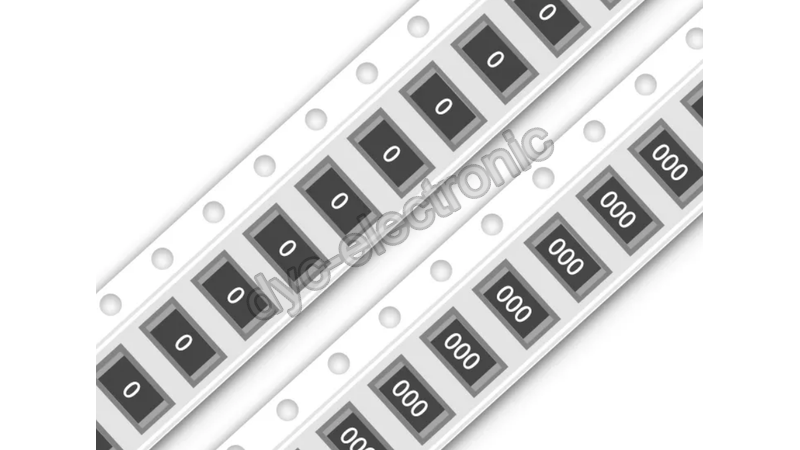
Look closely at almost any complex printed circuit board (PCB), and you’ll spot a dense row of components marked with a single “0” or “000”. At first glance, it feels like a contradiction. A resistor’s entire job is to restrict current flow. So what is the point of a resistor that offers virtually no resistance? […]
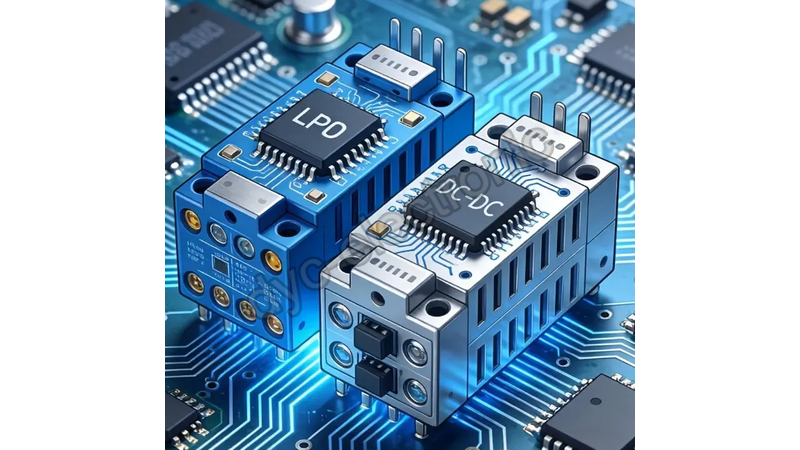
The layout of the power section is far more than just connecting the chip and running the caps over. How close the input and output capacitors sit to the pins, how the ground return runs, how much copper you leave for the switch node, which side you take the feedback sample from — these details […]
Last Wednesday afternoon, I had a technical sync with a customer who builds servers. The board was 16 layers, 3.2 mm thick, main signals at 25G, with a few pairs running 56G. About halfway through, the SI engineer on the other side put the simulation plot on the screen and asked: for these vias that […]
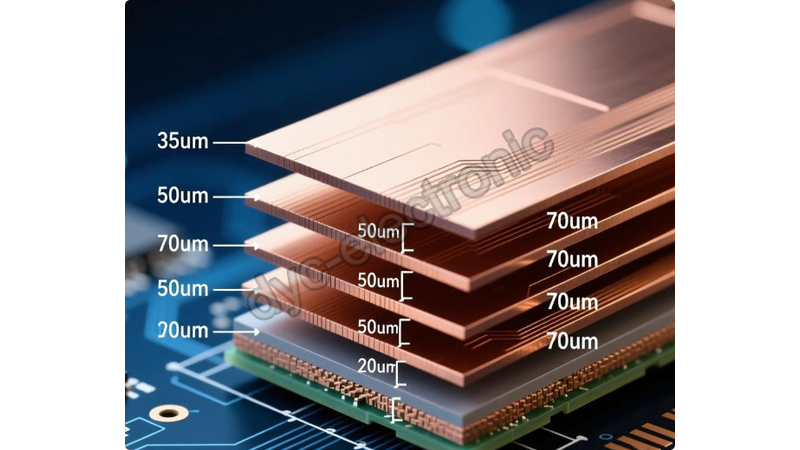
Many engineers, when laying out a board, put all their attention on trace width, stackup, and impedance. But have you ever wondered one thing: why do PCB factories default to giving you 1 oz copper? If you switch to 2 oz, what exactly changes on the board? This isn’t a “thicker is better” parameter contest. […]


 한국어
 English
 Русский
 Français
 Deutsch
 日本語
 Español
 Português
 العربية
 Türkçe
 Italiano
 Polski
 Dansk