
SMT Assembly Red Glue: Process & Optimization Guide
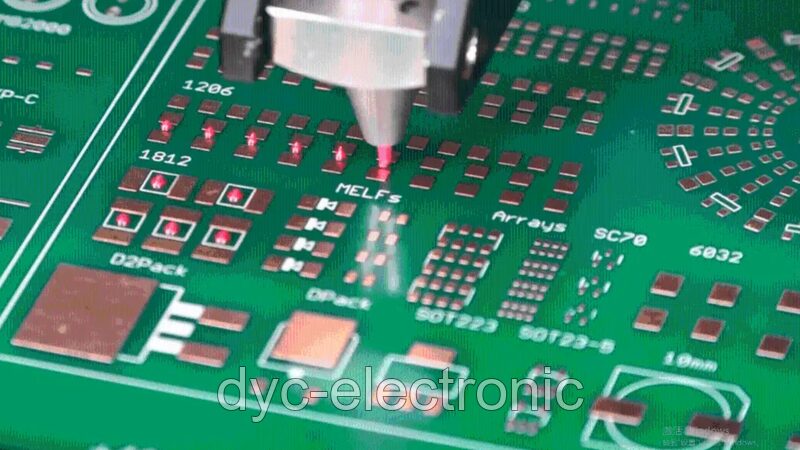
Efficiency and reliability remain top priorities in modern electronics manufacturing. As devices become smaller and more complex, SMT assembly red glue plays a critical role in securing components during production. This epoxy adhesive prevents heavy or double-sided parts from shifting during reflow soldering. Consequently, it bridges the gap between intricate design requirements and manufacturing stability. Understanding this process helps procurement teams balance quality retention with production costs effectively. Understanding the Red Glue Process in PCB Manufacturing Red glue is typically a red-colored epoxy resin used as a temporary bonding agent for Surface-Mounted Devices (SMDs). Its primary function is maintaining component alignment throughout the assembly cycle. Furthermore, the distinctive red color serves a […]
Automated Optical Inspection: Ensuring PCB Manufacturing Quality
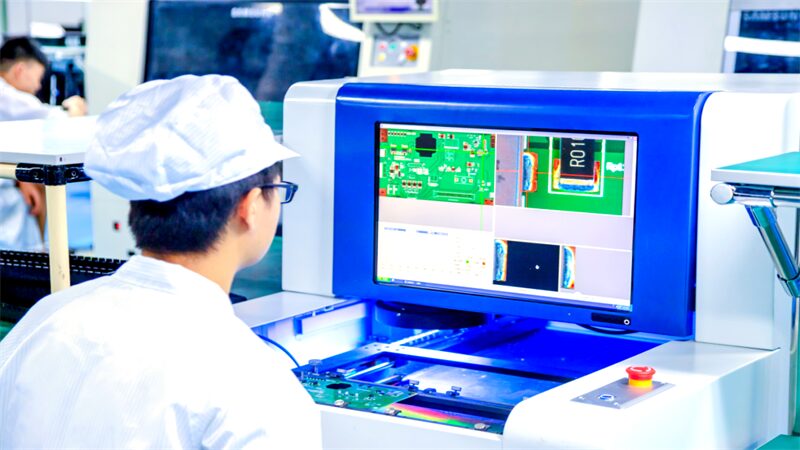
Modern electronic devices demand smaller sizes, faster speeds, and greater functionality. Consequently, printed circuit board complexity has increased dramatically. Dense layouts with fine-pitch packages and thousands of solder joints make manual inspection inefficient and unreliable. Therefore, manufacturers rely on Automated Optical Inspection to guarantee production quality. This technology serves as a critical checkpoint in both fabrication and assembly processes. What Is Automated Optical Inspection? Automated Optical Inspection is a machine-based visual inspection method. High-resolution cameras, controlled lighting, and image processing software scan PCBs to detect defects automatically. The system captures board images and compares them against reference data like CAD files or golden boards. Any deviation signals potential manufacturing issues. This technology applies […]
01005 Component Assembly: Technical Guide to Soldering, Placement & Inspection
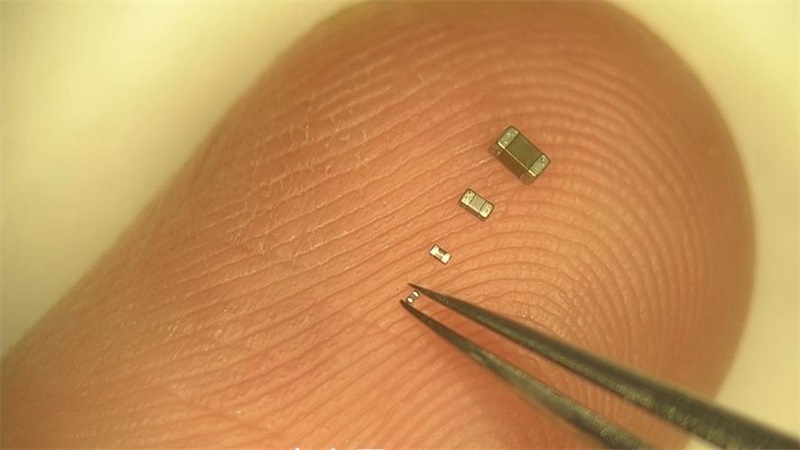
Miniaturization drives innovation across the modern electronics frontier. This trend challenges engineering teams to fundamentally rethink printed circuit board (PCB) manufacturing processes. Among the most complex technologies in this shift is 01005 component assembly. These miniature passive devices measure just 0.4 mm x 0.2 mm, making them the smallest standard surface-mount components currently in mass production. Despite their size constraints, 01005 packages play a pivotal role in designing highly compact devices like smartwatches, IoT sensors, and next-generation smartphones. However, handling and assembling these components introduces significant complexity. This guide explores the specific technical challenges of the assembly process and provides validated solutions for achieving consistent production yields. The Fundamental Nature of […]
PCB Manufacturing Process: A Comprehensive Guide to Understanding and Mastering the Techniques
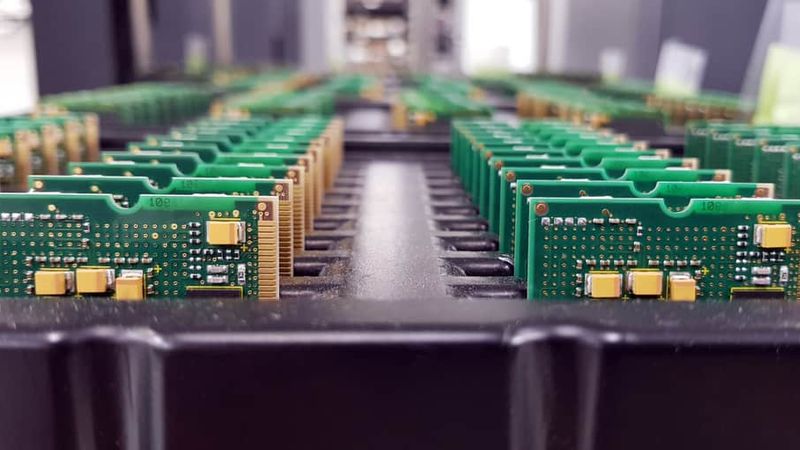
Printed Circuit Boards (PCBs) provide the foundation for the assembly of electronic components and enable the functionality of a wide range of devices. This article journeys through the requisite steps in the PCB manufacturing process, detailing the procedures involved in each. Assembly of Circuit Boards Introduction Printed circuit boards (PCBs) serve as electronic devices’ mechanical and electrical backbone, connecting components through conductive pathways and signal traces on copper sheets laminated onto a non-conductive substrate. From household appliances to high-tech machines, PCBs are indispensable for the proper functioning of various electronic devices. The PCB or circuit board manufacturing process is a sophisticated sequence of steps crucial to developing these essential components. […]
 日本語
日本語  English
  Русский
  Français
  Deutsch
  한국어
한국어  Español
  Português
  العربية
  Türkçe
  Italiano
  Polski
  Dansk
Dansk