
PCBA Box Build: What Buyers Should Specify
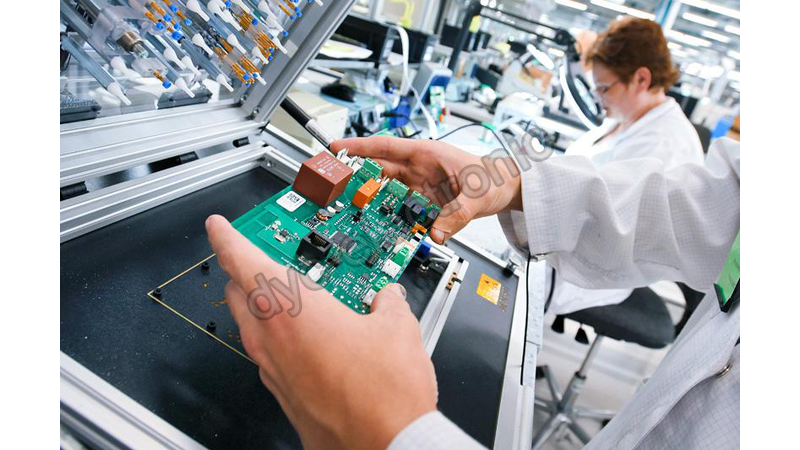
A PCBA box build takes a finished circuit board and turns it into a product you can ship. Short answer: a box build — also called systems integration — mounts the PCBA in an enclosure, adds wiring, power, displays, and firmware, then runs a full functional test so the unit leaves the line ready to […]
MCU Built-in ADC vs Dedicated ADC: Which Do You Need?
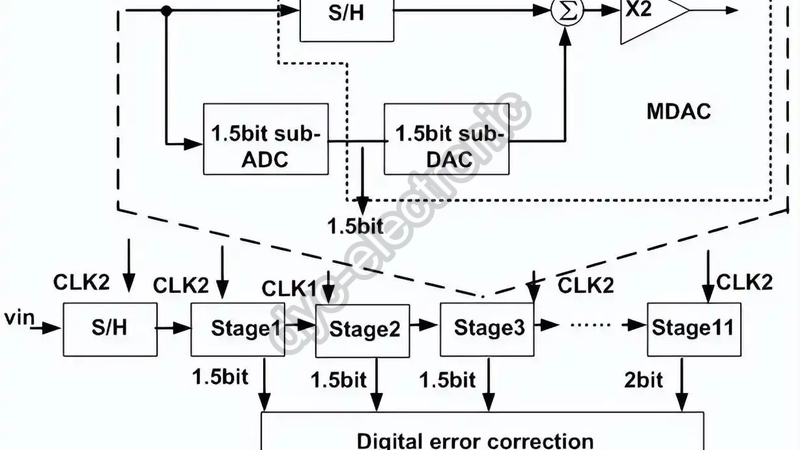
A temperature sensor reads 25.3 °C on your prototype but drifts to 26.1 °C after two hours of runtime. The MCU datasheet promises a 12-bit ADC, yet your measurements look noisy and inconsistent. This scenario frustrates many engineers during validation. Before blaming the sensor or rewriting firmware, you must verify whether the MCU built-in ADC vs […]
PCB vs PCBA: Key Differences for Electronics Buyers
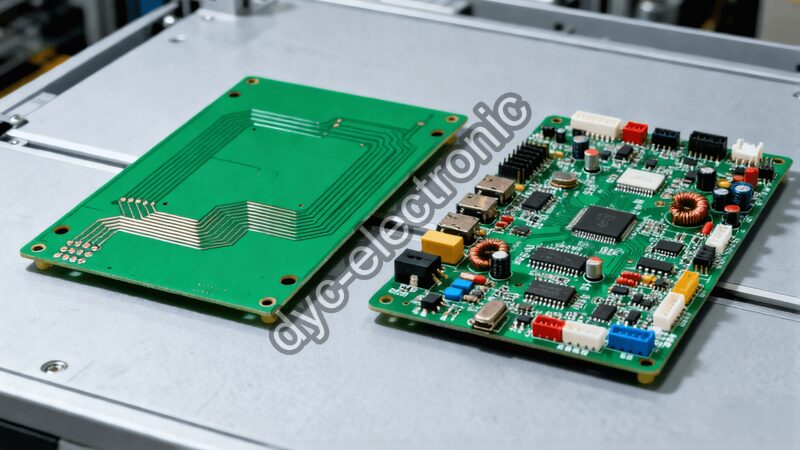
A purchasing manager once sent us a request for “500 PCBs” with a BOM attached, expecting fully functional units. We had to clarify that they actually needed PCB vs PCBA distinction understood before production started. This confusion happens more often than you’d think in electronics procurement. A Printed Circuit Board (PCB) is just the bare foundation, while […]
SMT Assembly Red Glue: Process & Optimization Guide
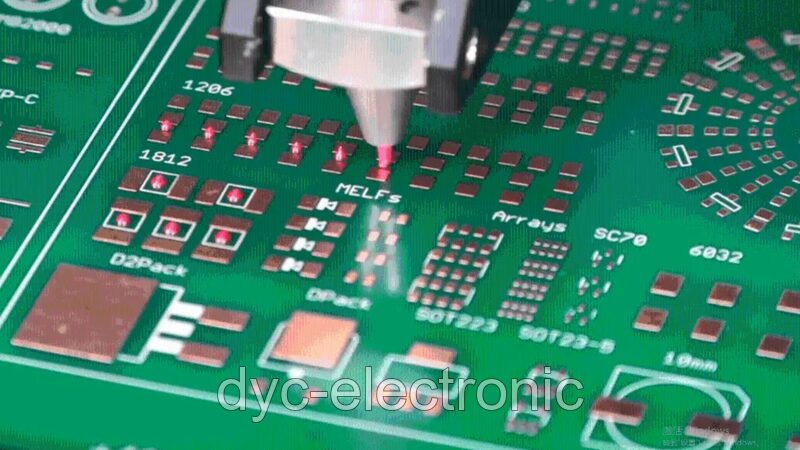
Efficiency and reliability remain top priorities in modern electronics manufacturing. As devices become smaller and more complex, SMT assembly red glue plays a critical role in securing components during production. This epoxy adhesive prevents heavy or double-sided parts from shifting during reflow soldering. Consequently, it bridges the gap between intricate design requirements and manufacturing stability. Understanding this […]
Hand Soldering Basics: Essential Techniques for Reliable PCB Assembly

Hand soldering remains a fundamental skill in electronics manufacturing, bridging the gap between schematic design and functional circuitry. This manual process ensures both electrical connectivity and mechanical integrity within electronic assemblies. Whether for prototyping or repair, mastering this technique directly impacts product reliability. Consequently, engineers must understand the core principles of hand soldering to produce high-quality printed […]
Choosing the Right PCB Fuse: A Comprehensive Technical Guide for Engineers
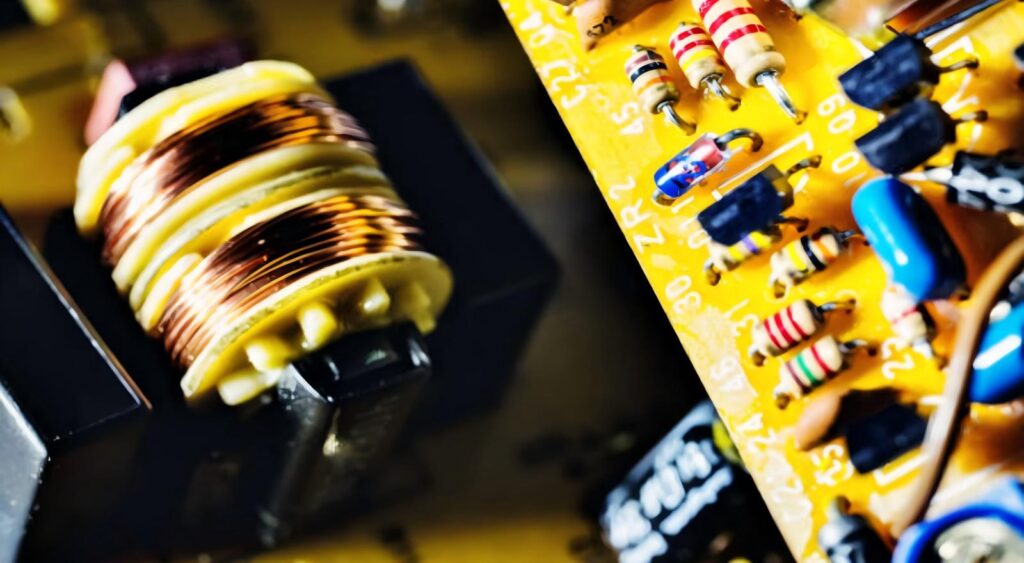
In modern electronic design, printed circuit boards serve as the foundation for everything from consumer gadgets to heavy industrial machinery. Protecting these assemblies from overcurrent events is critical for product safety, reliability, and operational longevity. The PCB fuse acts as the primary defense against excessive current that can cause trace burnout, component destruction, short circuits, or even […]
How to Reduce PCB Assembly Cost and Enhance Efficiency: A Technical Guide
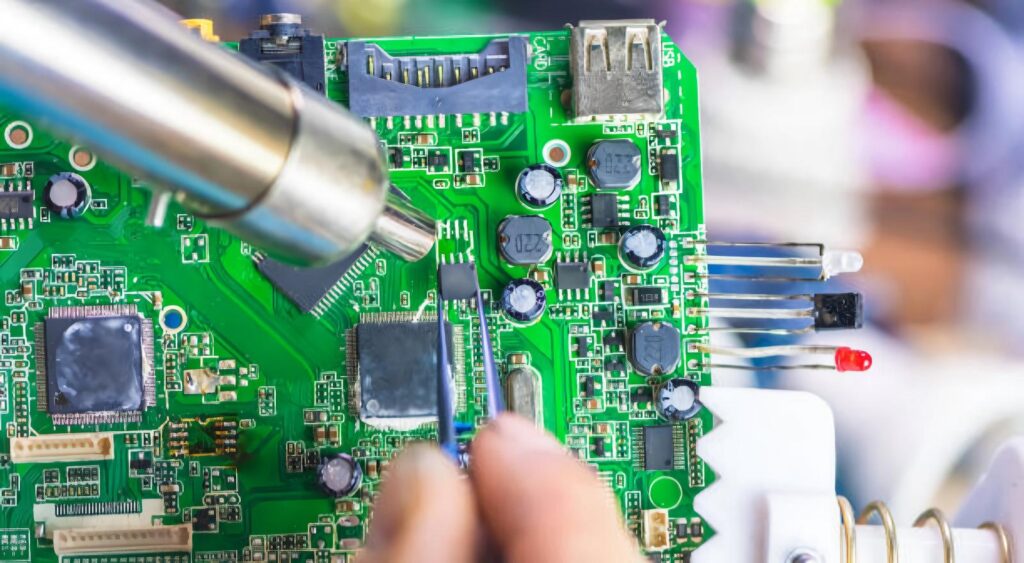
Reducing PCB assembly cost remains a primary objective for electronics manufacturers facing tight margins. However, aggressive cutting often introduces reliability risks, while pursuing speed without budget controls wastes resources. Sustainable competitiveness requires balancing expense reduction with operational efficiency. This guide details specific variables driving PCBA manufacturing expenses and outlines practical methods to optimize your workflow based on 2025 industry […]
PCB Test Points: Types, Design Guidelines & Best Practices
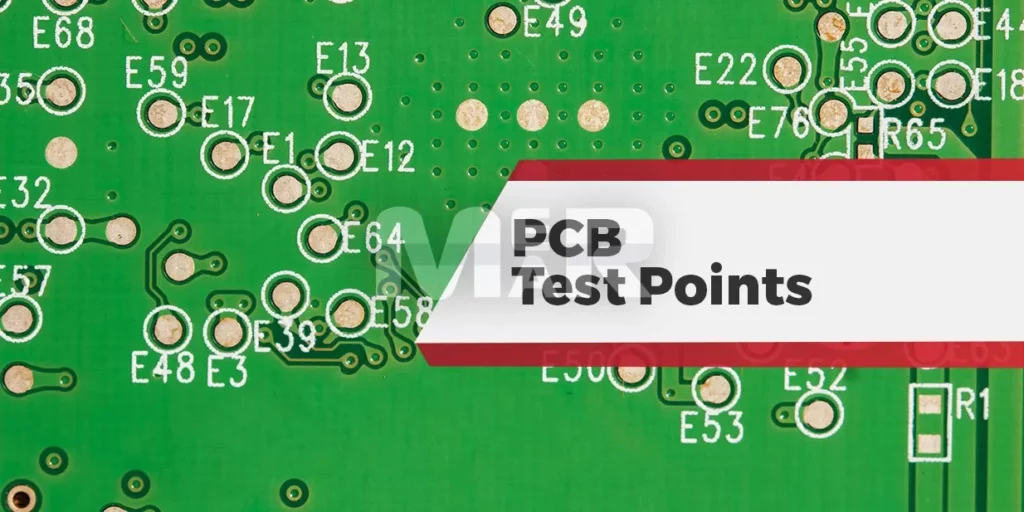
Verifying circuit functionality during development is critical for any electronic product. PCB test points serve as essential access nodes that allow engineers to inject signals and monitor board performance. At DYC Electronic, we integrate these verification features early in the PCBA prototyping phase to prevent costly failures later. This guide covers every technical aspect of implementation to help you […]
 Português
 English
 Русский
 Français
 Deutsch
 日本語
 한국어
 Español
 العربية
 Türkçe
 Italiano
 Polski
 Dansk